Dental Implants Bakersfield CA and the Importance of Healthy Gums


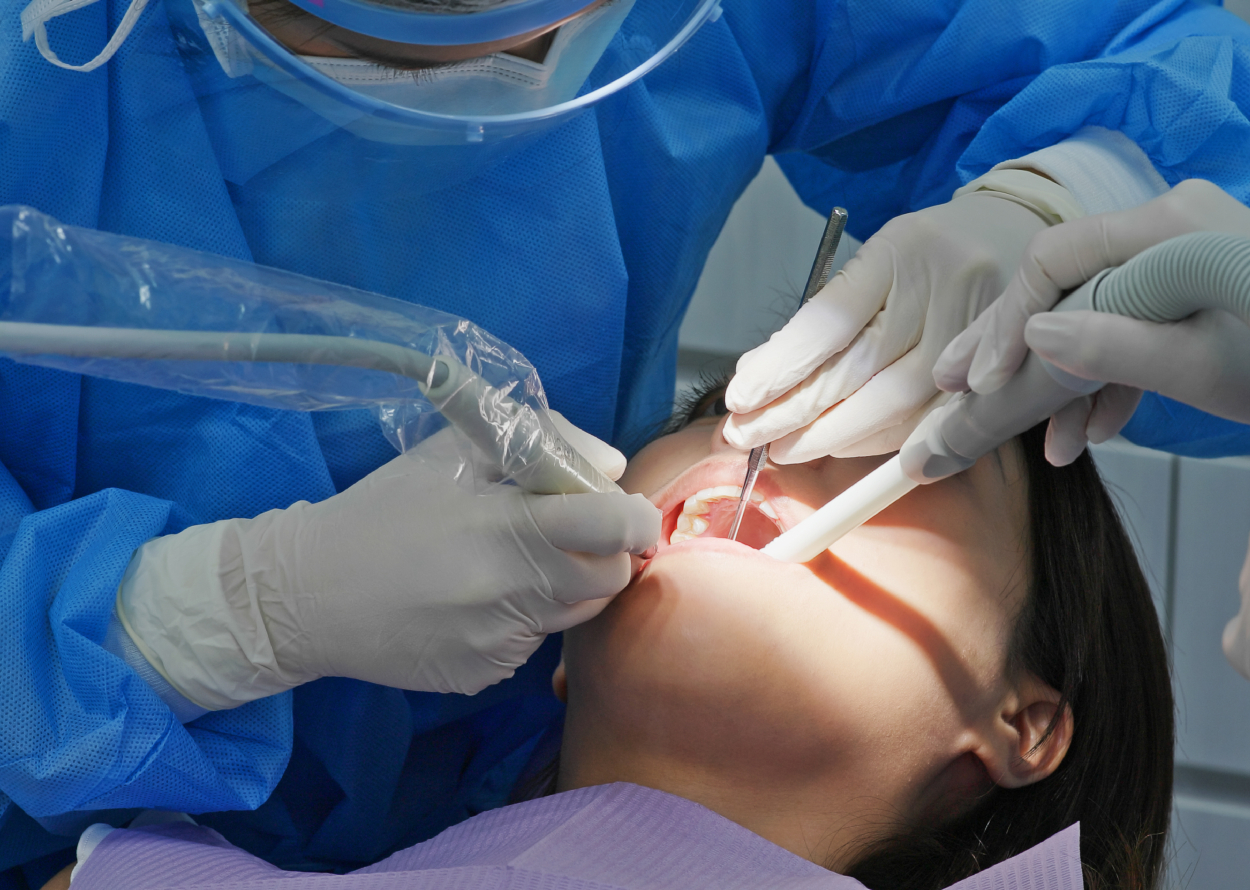
When people start looking into Dental Implants Bakersfield CA, they usually focus on the visible result. They want to replace a missing tooth, chew comfortably again, smile without thinking about the gap, and move on with life. All of that makes sense. What often gets less attention is the tissue that makes the whole plan possible: the gums.
Healthy gums are not a cosmetic detail. They are part of the foundation that supports a dental implant for years. In practice, gum health can affect whether someone is a straightforward implant candidate, whether treatment needs to be staged, how natural the final tooth looks, and how stable the result remains over time. If the gums are inflamed, receding, or infected, even a well-placed implant can run into trouble.
That point surprises people, especially those who assume implants are just artificial teeth anchored in bone. The truth is a little more nuanced. An implant depends on bone for structural support, but the surrounding gum tissue helps protect the area from bacteria, contributes to comfort, and frames the restoration so it blends with the rest of the smile. In the front of the mouth, where every millimeter matters, the gums can determine whether the finished result looks polished or obviously dental.
In Bakersfield, this conversation matters for practical reasons too. Dry conditions, heavy coffee consumption, smoking, stress, mouth breathing, and inconsistent home care all have a way of showing up in the gums first. It is common for someone to come in asking about a missing tooth and leave with a better understanding that implant treatment starts well before the implant itself is placed.
Gums are part of the implant system, not an afterthought
A dental implant is typically made of titanium or a titanium alloy, and it is placed in the jawbone where the tooth root used to be. Over time, the bone bonds to the implant in a process known as osseointegration. That bond is crucial, but it does not operate in isolation. The gum tissue around the implant forms https://elliotbsya289.bearsfanteamshop.com/dental-implants-bakersfield-ca-for-improved-confidence-and-comfort a protective seal. If that seal is weak because of inflammation or poor tissue quality, the area becomes more vulnerable to plaque buildup, irritation, and deeper complications.
Natural teeth and implants are not identical. A natural tooth has a periodontal ligament and a different soft tissue attachment. An implant does not have that same cushioning or biological connection. That means the tissues around implants can be less forgiving when oral hygiene slips or inflammation sets in. Once bacteria collect around an implant and the tissues react, the problem can progress quietly until bone loss becomes visible on an X-ray.
Patients often think of bleeding gums as a minor annoyance. Around implants, it deserves more respect. Bleeding is a sign of inflammation. Swelling, tenderness, and persistent bad taste in the mouth are not things to ignore, especially after the implant restoration is in place.
A healthy gumline also affects aesthetics. Even when the implant integrates beautifully in bone, uneven or receding gums can make the crown look too long, create dark spaces between teeth, or expose metal components. In the back of the mouth, some of those issues are mostly functional. In the smile zone, they can be deeply frustrating.
Why gum disease changes the conversation
One of the most common reasons adults lose teeth in the first place is periodontal disease. That creates an interesting challenge. The same disease process that led to tooth loss can threaten the success of the replacement if it is not under control.
Gum disease begins with plaque and inflammation. Early gingivitis may cause redness and bleeding without bone loss. Periodontitis is more serious. It involves destruction of the supporting tissues and can gradually erode the jawbone around teeth. If a tooth is lost or removed because of advanced periodontal problems, the patient may already have reduced bone volume and compromised soft tissue by the time implant treatment is considered.
This does not automatically rule out implants. Far from it. Many patients with a history of gum disease do very well with implants. The key is management. The infection must be treated, home care must improve, and the patient must commit to maintenance visits. Without that, the implant enters the mouth in an environment that has already shown a tendency toward chronic inflammation.
In real-world cases, this is where careful judgment matters. A person with mild past gum issues who now keeps excellent hygiene and sees a hygienist regularly may be a very good implant candidate. A person who still has active periodontal pockets, heavy tartar buildup, and uncontrolled diabetes may need a completely different timeline. Sometimes the best dentistry is not speed. It is stopping long enough to get the tissues healthy first.
What healthy gums actually look like before implant treatment
Patients are often told they need “healthy gums” before moving forward, but the phrase can sound vague. In practical terms, clinicians are looking for tissue that is firm, stable, and not actively inflamed. The gums should not bleed easily during routine cleaning or evaluation. Periodontal probing depths should be within a manageable range. There should be no untreated infection, no persistent suppuration, and no obvious signs that the tissues are breaking down.
Color can vary from person to person, so healthy gums are not always the same shade of pink. Texture and behavior matter more. Healthy tissue usually appears snug around the teeth or around the planned implant site. It should not look puffy or shiny, and it should not feel tender with ordinary brushing and flossing.
There is also the question of tissue quantity. Some patients naturally have thin gum tissue, while others have thicker, more resilient tissue. Thin tissue is not a defect, but it can be more prone to recession. Around implants, that can become important, especially in visible areas. In some cases, soft tissue grafting is recommended to improve both appearance and long-term stability.
Bakersfield patients often ask, “Can I still get implants if my gums are not perfect?”
Usually, yes, but the path may involve a few extra steps.
Very few adults arrive with textbook tissue health. Many have some combination of recession, old fillings near the gumline, clenching, dry mouth, or occasional bleeding when they floss after a long gap in routine. Those issues do not automatically disqualify someone from implant treatment. What matters is whether the gums can be brought into a healthy, maintainable state.
A typical sequence might involve a periodontal evaluation, a deep cleaning if indicated, improved home care, and a period of reassessment. If a tooth needs to be removed, the provider may recommend preserving the socket with grafting material to reduce later bone collapse. In other cases, the site may be allowed to heal first so the gums can settle before planning implant placement.
This slower approach can frustrate people who want a fast replacement, especially if the missing tooth is visible. Still, it is often the wiser route. Rushing an implant into an inflamed environment can cost more time and money later.
The signs your gums need attention before implants
A short checklist can help patients understand when the gums may need treatment before implant work begins:
- Bleeding when brushing or flossing
- Chronic bad breath or a bad taste that returns quickly
- Swollen, tender, or receding gums
- Loose teeth or shifting bite
- A history of gum disease with inconsistent maintenance care
Any one of these signs deserves evaluation. They do not always mean implant treatment is off the table, but they do mean the soft tissue and supporting bone need a closer look.
Bone matters, but soft tissue often predicts comfort and appearance
Most implant consultations emphasize bone volume, and for good reason. Without adequate bone, the implant may not have enough support. Imaging such as cone beam CT scans can show width, height, and the location of important structures like the sinus or nerve canals. Yet many experienced clinicians will say that soft tissue quality deserves equal respect.
Picture two patients with similar bone levels. One has thick, healthy, well-keratinized gum tissue. The other has thin, mobile tissue with recession and chronic inflammation. Even if both implants integrate successfully, the first patient often has an easier healing period and a more stable-looking outcome. The second may be more prone to discomfort during brushing, plaque retention, or aesthetic complications.
This is especially relevant for lower molar implants and upper front teeth. In the molar region, durable tissue helps patients clean comfortably in an area that is already harder to reach. In the front, tissue contour is everything. A millimeter of discrepancy may not sound like much, but in a smile it can be obvious.
That is why some implant cases include connective tissue grafting or contouring procedures before or during treatment. To a patient, this may seem like an unexpected add-on. Clinically, it can be the difference between a result that merely fills a space and one that truly feels integrated into the mouth.
Smoking, diabetes, and dry mouth complicate gum health
Some risk factors come up so often that they deserve direct mention.
Smoking remains one of the biggest threats to gum health and implant success. It reduces blood flow, slows healing, and increases the likelihood of complications. Smokers can still receive implants in many cases, but they should understand the trade-off clearly. The risk profile is higher, and the tissues may not respond as predictably. Even reducing tobacco use around the time of surgery can help, though quitting is ideal.
Diabetes also changes the conversation, particularly if blood sugar is not well controlled. Poor glycemic control is associated with slower healing and increased risk of infection and periodontal breakdown. On the other hand, many patients with well-managed diabetes go through implant treatment without major problems. The distinction is not the diagnosis alone, but how stable the condition is.
Dry mouth is another factor people underestimate. Saliva protects oral tissues, helps buffer acids, and reduces bacterial overgrowth. Patients taking certain blood pressure medications, antidepressants, antihistamines, or sleep aids may notice persistent dryness. That dryness can aggravate the gums, increase decay risk on remaining teeth, and make plaque control harder. Someone exploring Dental Implants Bakersfield CA who also struggles with dry mouth should mention it early. It affects planning and maintenance more than many expect.
Why a good implant candidate is not just a healthy adult
Online articles often describe the ideal implant candidate in broad, cheerful terms: enough bone, generally healthy, non-smoker, good oral hygiene. That summary is not wrong, but it skips the more useful clinical details.
A strong implant candidate is someone whose mouth can support a long-term restoration and whose habits match the demands of maintaining it. That includes regular cleanings, effective brushing, cleaning between teeth or around implant restorations, and willingness to return if something feels off. It also includes realistic expectations.
For example, a patient replacing one lower molar may have a relatively simple path if the gums are healthy and the bite forces are moderate. A patient replacing several upper front teeth after years of gum disease has a more complex situation. The surgery may still be successful, but achieving symmetry, papilla fill, and natural-looking gum architecture is more difficult. The difference is not just technical. It is biological.
That is one reason experienced providers spend time discussing the gums from the start. They are setting expectations honestly.
The planning stage should include periodontal thinking
Good implant planning does not begin with selecting an implant brand or discussing crown shade. It begins with diagnosis. That means evaluating the whole mouth, not just the missing tooth.
The best plans usually consider how the gums behave elsewhere. Is there generalized inflammation? Are there recession patterns that suggest aggressive brushing or clenching? Is there untreated decay near the gumline on neighboring teeth? Are old crowns trapping plaque? Is the bite placing excessive force on one side? These details matter because an implant does not live in isolation. It becomes part of a system.
If the neighboring teeth are compromised by periodontal disease, their future affects the implant too. It is not uncommon to see someone place an implant beautifully in one area while adjacent teeth later fail because the broader gum condition was not stabilized. That creates an uneven result and sometimes repeated treatment.
For patients, this may mean hearing recommendations that seem unrelated to the missing tooth. A cleaning, periodontal therapy, a night guard, replacement of defective restorations, or improved management of dry mouth can all be part of proper implant preparation.
Healing after implant placement depends on the gums more than many realize
Once the implant is placed, the gums begin shaping the healing site almost immediately. The way the tissue adapts around a healing abutment or temporary restoration influences the final contours. When the tissue is calm and healthy, this process is usually straightforward. When it is inflamed or fragile, small problems can become prolonged annoyances.
Patients sometimes assume that if they are not in major pain after surgery, everything must be healing ideally. Pain is not the only measure. Tissue tone, color, swelling, and cleanliness all matter. Mild discomfort and puffiness are expected early on, but persistent bleeding or soreness weeks later deserves attention.
Simple aftercare habits protect that healing window:
- Keep the surgical area clean using the instructions provided by the dental team
- Avoid smoking during healing, ideally long-term
- Return for follow-up visits even if the site feels fine
- Report persistent bleeding, swelling, or a loose-feeling restoration promptly
- Resume full home care around the area as directed, rather than avoiding it for too long
The last point is important. Some patients become so cautious around a new implant that they stop cleaning the area properly. Plaque builds up quickly, and the tissues respond. Clean does not mean aggressive, but gentle neglect is still neglect.
Peri-implantitis is the problem nobody wants to meet later
When gums around an implant become inflamed, the early stage is often called peri-implant mucositis. At this stage, the inflammation affects the soft tissue but has not yet caused supporting bone loss. With good care and timely treatment, it is often reversible.
Peri-implantitis is more serious. It involves inflammation with bone loss around the implant. In some cases it progresses slowly, in others more aggressively. Patients may notice bleeding during brushing, tenderness, swelling, or a bad taste. Sometimes there are very few symptoms until a maintenance visit or X-ray reveals the problem.
This is where the importance of healthy gums becomes unmistakable. Most implant failures do not happen because the implant itself was inherently defective. They happen because the biological environment around it deteriorated, the forces on it were not well managed, or both.
Treatment for peri-implantitis can range from deep decontamination and improved maintenance to surgical intervention. Outcomes vary. That unpredictability is exactly why prevention matters so much more than rescue.
Daily maintenance for implants is not complicated, but it has to be consistent
One of the better conversations to have before implant treatment is the plainest one: can the patient keep the area clean every day? Most can, but technique and consistency matter.
People with a single implant crown may need only a slight adjustment to their brushing and interdental cleaning habits. Patients with implant bridges, larger restorations, or reduced dexterity may need more specialized tools. Water flossers can help some patients, especially if they struggle with threading floss around larger restorations, but they are usually best viewed as part of the routine, not a complete substitute for mechanical plaque removal.
Professional maintenance matters too. Many implant patients do best with periodontal-style recall intervals rather than waiting too long between cleanings. The exact schedule depends on the person's history, tissue response, and risk factors. For a patient with previous gum disease, three to four months between maintenance visits is common. Someone with excellent tissue health and lower risk may go longer based on clinical judgment.
Aesthetics and gum health are tightly linked
When patients search for Dental Implants Bakersfield CA, they are often motivated by function first, appearance second, or sometimes the reverse. In either case, gum health affects both.
A front tooth implant can be strong and still disappoint aesthetically if the tissue shrinks or loses symmetry. Black triangles, flattening of the gum architecture, or visible margin discrepancies can turn an otherwise successful implant into a daily visual annoyance. These problems are not always avoidable, especially after trauma or long-standing infection, but they are easier to reduce when the gums are healthy from the outset and carefully managed through each phase.
The same applies to full-arch or multi-unit treatment. Patients sometimes assume that once several teeth are replaced, the gumline becomes less important because the restorations cover more area. In reality, tissue quality still affects hygiene, comfort, speech, and the transition line where prosthetic material meets the soft tissue. Healthy, stable gums make those restorations easier to live with.
What patients should ask at an implant consultation
A productive implant consultation is not just about whether an implant can be done. It should also explore the health of the tissues that will support it. Good questions include whether there are any signs of gum disease, whether the site has enough soft tissue, how easy the future restoration will be to keep clean, and what maintenance schedule will likely be needed after treatment.
It is also smart to ask what risk factors apply personally. A former smoker, for instance, has a different risk profile than someone who has never smoked. A person with past periodontal treatment needs a different maintenance mindset than someone who lost a tooth because of a cracked cusp in an otherwise healthy mouth.
These are not alarmist questions. They are practical ones. The point is not to make implants sound fragile. Properly planned and well maintained, they are one of the most predictable tools in dentistry. The point is to respect the biology enough to give them the best chance of lasting.
The smartest implant decisions often start with the gums
For many people, the phrase Dental Implants Bakersfield CA brings to mind a straightforward replacement for a missing tooth. In reality, the strongest results come from a broader view. The implant is one part of the treatment. The gums, bone, bite, habits, and maintenance plan all shape the long-term outcome.
Healthy gums improve surgical healing, support a cleaner and more comfortable restoration, and help preserve the bone that keeps the implant stable. They also determine much of what patients notice every day, whether the implant feels easy to care for, whether the smile looks natural, and whether routine maintenance stays routine.
If you are considering implants, it is worth paying attention to the quiet signs your gums may be giving you now. A little bleeding, some tenderness, or old recession may not seem dramatic, but those details often guide the difference between a quick fix and a carefully built solution that lasts. In implant dentistry, the foundation is not just what is hidden in the bone. It is also the health of the soft tissue that protects everything above it.
Smyle Dental Bakersfield
2016 E St, Bakersfield, CA 93301, United States
+16614939040
FAQ About Dental Implants Bakersfield CA
What is the downside of a dental implant?
The main downsides of dental implants involve high financial costs, surgical risks, a lengthy healing process, and the potential for long-term complications.
How much does a full set of implants usually cost?
A full set of dental implants (covering both the upper and lower arches) typically ranges from $6,000 to $90,000+, depending heavily on the type of treatment, materials used, and whether the teeth are fixed or removable.
Can I have all my teeth pulled and get implants?
Yes, you can have all your teeth pulled and replaced with dental implants. Instead of placing a separate implant for every single tooth (which is costly and time-consuming), dentists typically use full-arch systems.